 AU
AU
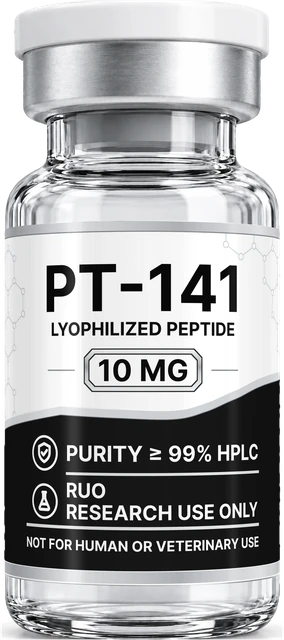
PT-141 peptide, which is also referred to as bremelanotide, is an artificial cyclic peptide used in research into its interaction with the melanocortin receptor system. While most compounds affect peripheral blood flow, studies into PT-141 target the central nervous system pathways involved in sexual desires, arousal, motivation, and other neurobiological reactions.
Studies into PT-141 10mg have become popular among peptide researchers due to their unique mode of action. PT-141 peptides are studied in such areas as melanocortin receptor signaling, sexual functions, neurological pathways, behavioral responses, and pharmacology of receptors.
It is important for Australian researchers to understand what PT-141 peptide is, its analytical standards, proper storage, research evidence, and the regulatory issues while working with it. PT-141 peptide in a form of a 10mg lyophilised vial should be considered as laboratory research material unless it is an authorized therapeutic product.
What Is PT-141?
PT-141 is the scientific nomenclature that refers to bremelanotide, an artificial peptide of the alpha-melanocyte-stimulating hormone pathway. It has been created as a result of research into melanocortin peptides and became a significant component of the research on the central mechanisms connected with sexual behavior and arousal.
The substance acts via the interactions with melanocortin receptors, especially those of the MC3R and MC4R pathways. Melanocortin receptor pathways take part in numerous biological processes such as appetite, energy metabolism, autonomic function and sexual behavior.
PT-141 has a completely different mechanism from the one of the phosphodiesterase type 5 inhibitors. While the other drugs work on the peripheric vascular mechanisms, bremelanotide research concerns the functioning of the central nervous system mechanisms. This distinguishes PT-141 peptide as an interesting topic for the neuroendocrine and behavioral research.
Also, bremelanotide has been clinically developed among humans. In the United States there is a bremelanotide drug that has its approved indication and form. This should not be confused with the PT-141 10mg research vials.
Why Is PT-141 Being Studied?
The study of PT-141 is driven by the fact that melanocortin system plays an important role in multiple neurological and physiological mechanisms. The focus is on the potential effect of activation of melanocortin receptors on sexual motivation, arousal and behavioral mechanisms.
Main research topics for PT-141 are as follows:
- activation and selectivity of melanocortin receptors;
- MC3R and MC4R signaling pathways;
- neural control of sexual behavior in the central nervous system;
- neurochemical pathways of desire and arousal;
- studies of male and female sexual function;
- study of structure and interaction with receptors of peptides;
- pharmacokinetics and modeling of dose response relationships.
Clinical research involved large-scale randomized trials in pre-menopausal women with acquired generalized hypoactive sexual desire disorder. There have been noted statistically significant improvements in measurements of sexual desire and reduced levels of distress associated with low desire in comparison with placebo treatment, while nausea, flushing and headache are examples of adverse effects.
Previous research involved studies of PT-141 in male erectile response model systems.
How Does PT-141 Work?
PT-141 functions as a melanocortin receptor agonist. Its importance in research studies revolves around its impact on receptor activity in the central nervous system rather than a direct impact on peripheral vascular smooth muscle.
Bremelanotide acts on multiple sites within melanocortin receptors. Studies have been focused on MC3R and MC4R signalling and the importance of the latter in pathways that have to do with sexual behaviour and sexual desire.
The activation of melanocortin receptors triggers intracellular signalling pathways that can lead to neuronal communication and behavioural reactions. This process is studied by researchers to determine the connection between receptor activation and neuro-transmission and response.
Nevertheless, the mechanism behind the function of bremelanotide still requires further research. Findings from lab studies, animal models and approved clinical data need to be understood in terms of the respective study.
Understanding PT-141 Dosage
Use of the term “PT-141 Dosage” is a description that could potentially refer to completely different concepts: experimental design and dosage of an approved drug. Both of them cannot be considered equivalent.
Use of such phrase as PT-141 10mg vial means a total amount of the substance in the vial. But it doesn’t mean a dose for a human being and doesn’t contain information about how this substance can be administered. Concentration and exposure should be calculated using experimental protocol, assay type, model used, purity of the substance and study goals.
For your understanding, a bremelanotide, which is approved in the USA, has its own dosage schedule. But this information regarding the dosage of an approved drug does not mean anything regarding research PT-141 peptide.
PT-141 and Research Quality
Research quality will greatly impact on experiment accuracy. There is more to the quality of a PT-141 peptide product other than purity percentage.
Some key aspects of quality will include: compound identity, batch traceability, analysis reports, material quantity, storage instructions and vial/analysis certificate match. Chromatographic purity can be evaluated by high-performance liquid chromatography (HPLC).
Mass spectrometry will be useful in evaluating compound identity. The two methods address distinct aspects of research and thus should be considered together.
Comparing PT-141 10mg will involve looking out for batch identification and analysis which can be traced back to the actual material used.
PT-141 in Australia
There have been growing interests in the PT-141 Australia searches coinciding with greater interest in scientific studies on research peptides and melanocortin receptors.
Scientists in Australia need to differentiate between laboratory substances and therapeutic goods for human use. It is possible that regulation will vary depending on the intended use of the substance, its claims, the way it is supplied, formulation among other conditions. The approval of a medicine in another country does not guarantee its approval in Australia.
Prior to ordering or importing PT-141, the scientists and organizations need to verify the current regulations applicable in Australia for such products.
What to Consider Before You Buy PT-141
Prior to purchase of PT-141 in Australia, product evaluation ought to concentrate on factual matters and documentations, rather than on marketing promises.
Make sure that your PT-141 10mg vial contains proper batch/lot numbers, compound description, material quantities and access to analysis documents. Verify if your Certificate of Analysis is valid for the purchased batch.
Storage and shipment procedures should be considered too. Peptide samples can be sensitive to environmental factors; hence proper handling and control of temperature and avoiding repetitive environmental impact might be required.
Price should not serve as a decisive factor during selection of the product. Traceability, analysis documentation, quality of documentations and transparency of the supplier – these factors should be considered during comparison of PT-141 peptide research chemicals.
Safety and Current Research
The drug PT-141 should not be viewed as being without risks. Adverse events that were reported during clinical trials for the drug include vomiting, facial flushing, headaches and injection-site reactions. Transient rise in blood pressure and a drop in heart rate following dosing of the drug is included in the prescribed usage information for USA.
The results from research conducted should also be handled appropriately. The findings from animal studies do not necessarily guarantee similar results in humans while results from clinical populations should not be applied to other situations.
Research materials for PT-141 should be managed in accordance with laboratory protocols and Australian regulations.